I heard the word "microplastic" for years and ignored it. Sounded like something someone on TikTok would worry about. Not me.
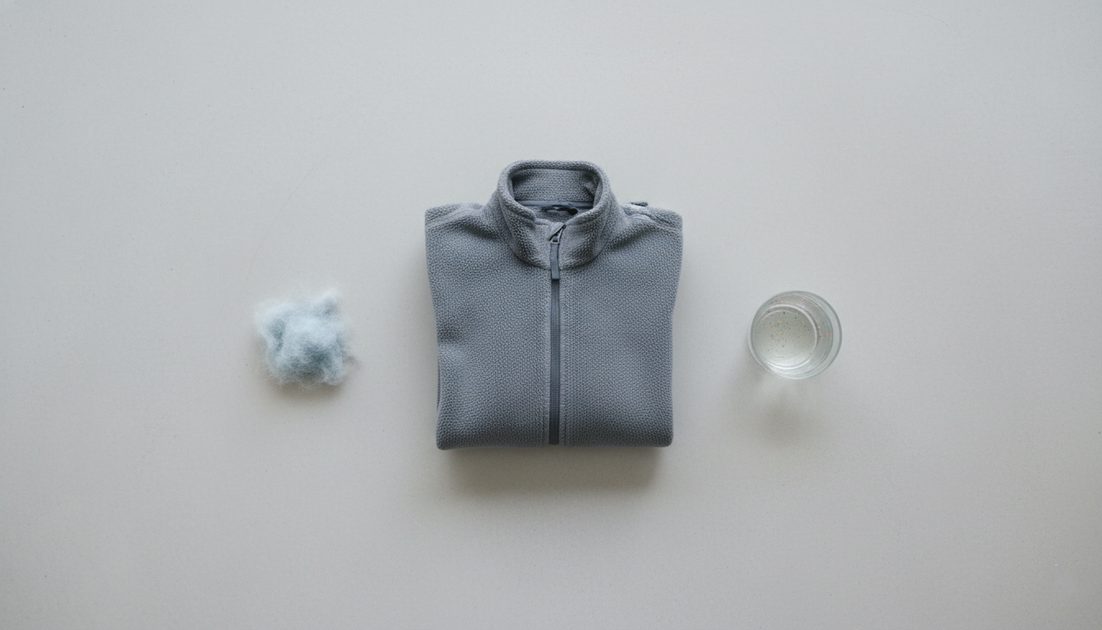
Then I washed a fleece jacket. The same one I'd washed maybe 15 times before. And I actually looked at the lint filter.
It was full. Not just a little fluff. A thick grey mat of tiny fibers. And that was just from one wash. One jacket.
So I fell down a research rabbit hole. Read way too many studies so you don't have to. Here's what I learned. It's not great. But it's not hopeless either.
What actually happens when you wash synthetic clothes
You know that lint in your dryer filter? That's mostly broken down fibers from your clothes.
When you wash synthetic stuff – polyester, nylon, acrylic, spandex – the water rubs against the fabric. Tiny pieces break off. We're talking smaller than a human hair. Small enough to go straight through your washing machine and out into the pipes.
Most wastewater treatment plants can't catch these pieces. They're just too small.
So they end up in rivers. Lakes. Oceans. Fish eat them. Then bigger fish eat those fish. You get the picture.
How bad is it really?
One study I read said a single fleece jacket can release about 1,000 milligrams of microfibers in one wash. That doesn't sound like much. But multiply that by millions of people washing synthetic clothes every week.
Another study found microplastics in 83% of tap water samples around the world. In my tap water. In yours too probably.
The science isn't totally settled on what this means for human health. But early research suggests these tiny plastic pieces can build up in our bodies. And we don't know what happens next.
That part scares me. Not gonna lie.
Which clothes are the worst?
Anything fluffy or fuzzy. Fleece is terrible. So is Sherpa. Blankets with that soft fluffy texture. Old synthetic sweaters that shed when you touch them.
Tight weaves are better. Think polyester dress shirts or workout leggings. They still shed, just less.
The biggest surprise? Acrylic is worse than polyester. By a lot. One study found acrylic sheds nearly twice as many fibers as polyester per wash.
I checked my winter hats. Three of them are acrylic. Great.
What you can actually do about it
I looked for solutions that don't require buying all new clothes. Because who has money for that?
1. Wash less
This one is free. Most synthetic clothes don't need washing after every wear. Air them out instead. I wash my workout leggings every third or fourth use now.
2. Fill the machine
Full loads create less friction than half loads. Less friction means fewer broken fibers.
3. Cold water
Hot water breaks down fabric faster. Cold is gentler. Works just as well for most things.
4. Skip the dryer
Air dry synthetic stuff. The dryer beats fibers loose and sends them into the lint filter. That's good for the filter but the fibers still went somewhere.
5. Buy a Guppyfriend bag
This one costs about $30. You put synthetic clothes inside before washing. The bag catches most of the loose fibers. Then you throw the fuzz in the trash instead of letting it go down the drain.
I bought one. It works. Annoying to use? Yes. But better than nothing.
How much difference any of this actually makes. The problem is huge. My little changes feel like spitting in the ocean.
But the research says every bit helps. And I can't unlearn what I read. So I do what I can.




No comments yet — be the first to share a thought.