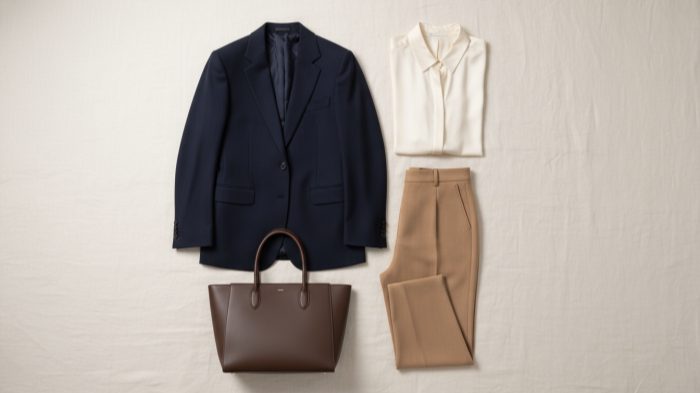
There's something deeply appealing about a woman who looks expensive without looking like she's trying. No logos. No trends chased. No outfit that screams "I just bought this." Just quiet, assured, timeless dressing — the kind that suggests the clothes have always been there, like heirlooms.
That's the old money style girl in a nutshell. And in 2026, the aesthetic is more relevant than ever.
What Is the Old Money Style Aesthetic, Really?
The old money aesthetic draws from the wardrobe traditions of upper-class families in New England, the English countryside, and the European Riviera — places where wealth was inherited, not earned last year, and where fashion meant buying fewer, better things and keeping them for decades.
The style is defined less by specific garments and more by a sensibility: restraint over excess, quality over quantity, classic over trendy. It's the opposite of fast fashion and the opposite of streetwear maximalism. It's also, importantly, the opposite of "new money" dressing — which tends toward visible luxury logos, bold statement pieces, and signaling wealth through recognizable brands.
Old money style signals wealth by not needing to signal it at all.
For women specifically, the aesthetic translates into clean tailoring, neutral palettes, natural fabrics, and a consistent refinement across every element of the outfit — from the cut of the blazer to the choice of accessories.
Is Old Money Style Still Relevant in 2026?
Absolutely. If anything, the aesthetic has grown more influential. The backlash against disposable fashion, the renewed interest in investment dressing, and the cultural appetite for "quiet luxury" have all reinforced old money sensibilities in mainstream style conversations. Brands like The Row, Totême, and Loro Piana — all built on understated quality — have never been more popular. The old money girl isn't going anywhere.
The Personality Behind the Look
Old money aesthetic dressing resonates most with women who are:
Drawn to timelessness over trends. If your instinct is to buy something that will still look right in ten years, this aesthetic fits naturally.
Comfortable with restraint. The old money girl doesn't need to be the loudest person in the room — sartorially or otherwise. She's confident in understatement.
Quality-focused. The aesthetic rewards investing in fewer, better pieces rather than building a large wardrobe of average ones.
Naturally drawn to classic references. Think Grace Kelly, Princess Diana's off-duty looks, Carolyn Bessette-Kennedy, or early Gwyneth Paltrow — women whose style communicated ease and authority simultaneously.
That said, this isn't an exclusive club. You don't need a trust fund or even a large clothing budget to dress in this aesthetic. You need an eye for quality, an understanding of fit, and the discipline to buy intentionally.
The Core Wardrobe Essentials
Tailoring: Where Everything Begins
If there is one non-negotiable element of the old money aesthetic, it's fit. A perfectly tailored blazer in a mid-weight wool, trousers with a clean break at the ankle, a shift dress that skims the body without clinging — these are the building blocks of the look.
Tailoring doesn't mean everything has to be bespoke. It means paying attention to how clothes sit on your body and being willing to have things altered when they don't fit perfectly off the rack. A $60 blazer that fits impeccably will always look better than a $300 blazer that doesn't.
Key tailoring pieces to invest in:
A single- or double-breasted blazer in navy, camel, or ivory
Straight-leg or wide-leg trousers in neutral tones
A sheath or A-line dress in a solid, muted color
A well-fitted trench coat — the old money outerwear essential
Shirts, Blouses, and Tops
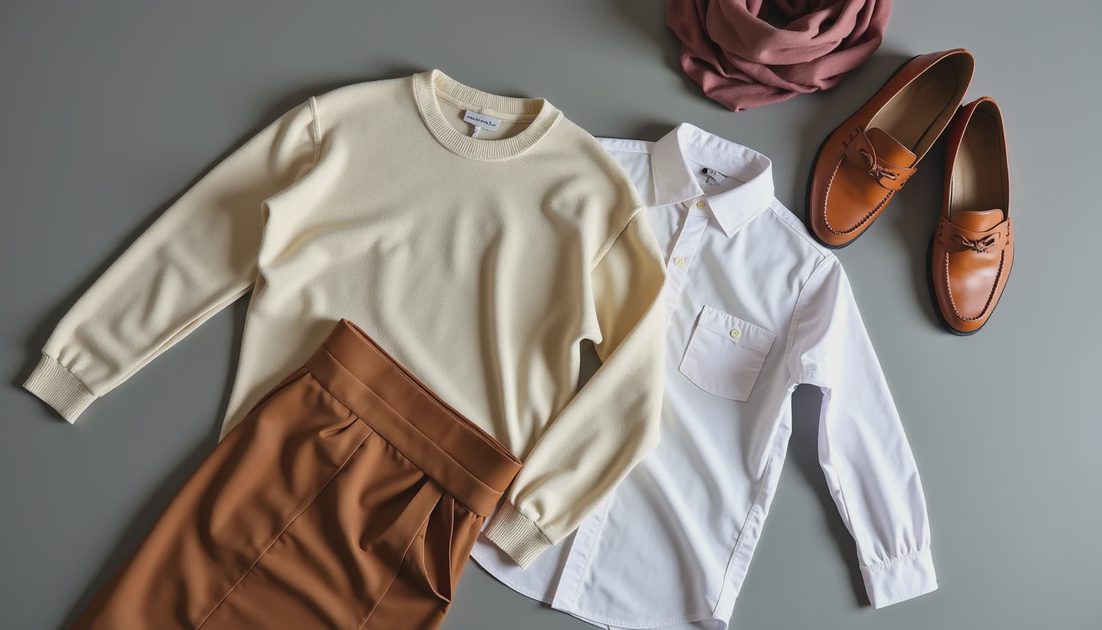
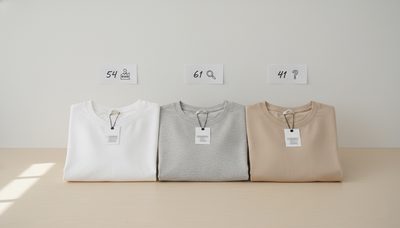
The old money girl's tops tend toward the classic: Oxford button-downs (slightly oversized and tucked, or tied at the waist), silk blouses in cream or ivory, fine-knit turtlenecks, and simple crewneck sweaters in cashmere or merino wool.
Logo-free is essential. Subtle textures — a jacquard weave, a fine stripe, a very small check — are acceptable. Bold prints, graphic tees, and anything that shouts its brand name are not part of this aesthetic.
Polo Shirts and Knitwear
The polo shirt — particularly in piqué cotton or a fine knit — is a quietly preppy old money staple. Worn with tailored shorts, a midi skirt, or slim trousers, it communicates relaxed confidence without sacrificing polish.
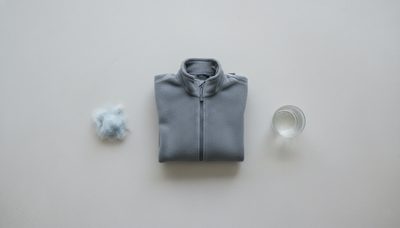
Knitwear more broadly is central to the aesthetic: cable-knit sweaters, argyle vests, ribbed cardigans, cashmere crewnecks. The key is always quality fabric and a clean fit.
Skirts and Dresses
Midi and maxi skirts in linen, silk, or fine wool. Pleated skirts in muted plaids. A-line hemlines. For dresses: wrap dresses in silk crepe, shirt dresses in chambray or poplin, and structured sheath dresses for more formal occasions.
The silhouettes are feminine without being overtly revealing. Coverage is comfortable, not puritanical — it's simply that the old money approach to dressing doesn't rely on skin for impact.
Color Palette and Fabric Guide
Colors That Define the Aesthetic
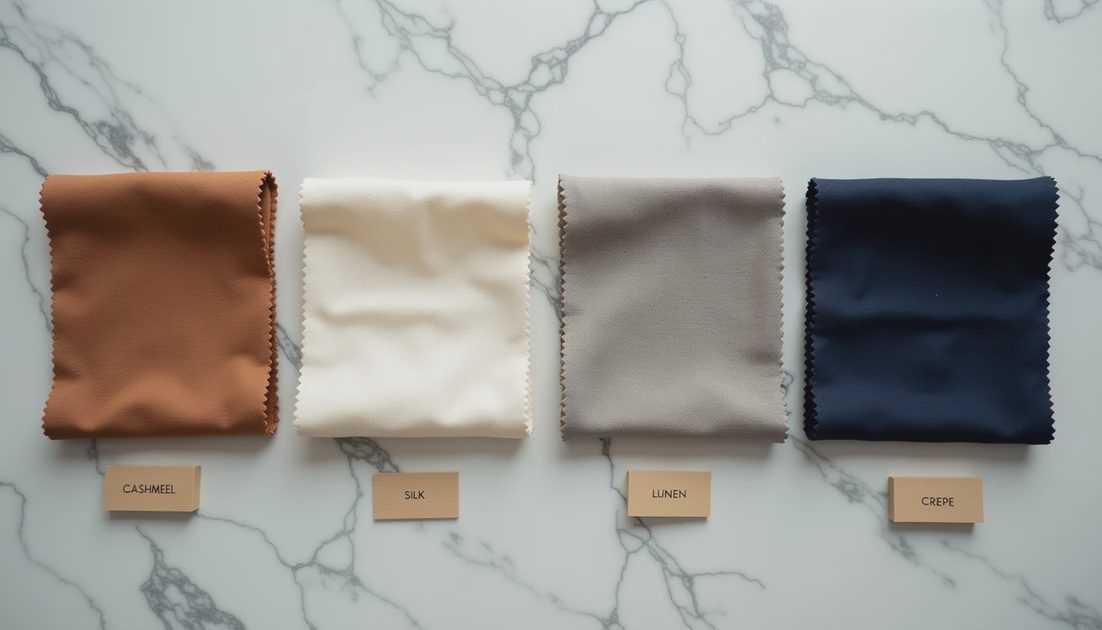
The old money palette is built on neutrals with occasional muted accent tones:
Foundation neutrals: ivory, cream, white, camel, tan, stone, grey, navy, black Accent tones: burgundy, forest green, dusty rose, soft blue, cognac brown Patterns: fine stripes, understated plaid, small houndstooth, subtle check, argyle
Avoid: neon, bold tropical prints, heavy color-blocking, and anything that looks trend-driven.
Fabrics Worth Knowing
The old money aesthetic is deeply connected to natural, quality fabrics. This is where the real investment pays off — and where cheap alternatives fall short.
Cashmere and merino wool for knitwear. Silk and satin for blouses and evening wear. Linen for warm-weather pieces. Cotton twill and Oxford cloth for shirts and trousers. Leather (not faux) for bags and shoes. Wool crepe for tailored pieces.
These fabrics drape better, age better, and simply look more expensive — because they are.
Accessorizing Like an Old Money Girl
Accessories in the old money aesthetic follow one rule above all others: less is more, and quality matters more than quantity.
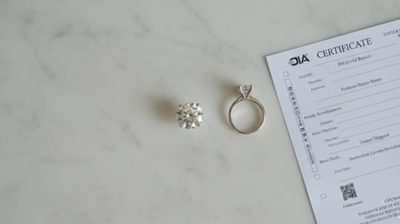
Jewelry: Fine gold or silver jewelry in simple forms. A thin chain necklace. Stud earrings or small hoops. A signet ring. Pearl earrings for more formal occasions. Nothing chunky, nothing costume, nothing with visible brand logos.
Bags: Structured bags in leather — not It bags covered in logos, but classic shapes in quality materials. Think a simple leather tote, a structured satchel, or a timeless crossbody. Brands like Polène, Carel, or vintage finds often hit the mark without the luxury price tag.
Shoes: Loafers are perhaps the single most iconic old money shoe for women. Add ballet flats, simple leather pumps, clean white tennis shoes (for casual settings), and riding boots for cooler months. Slingbacks in neutral tones work beautifully for dressier occasions.
Scarves: A silk scarf — worn around the neck, tied in the hair, or looped through a bag handle — is a finishing touch that feels genuinely old-world elegant.
Belts: A simple leather belt in cognac or black, ideally with a modest gold or silver buckle.
Old Money Style Outfits: Six Ways to Wear It
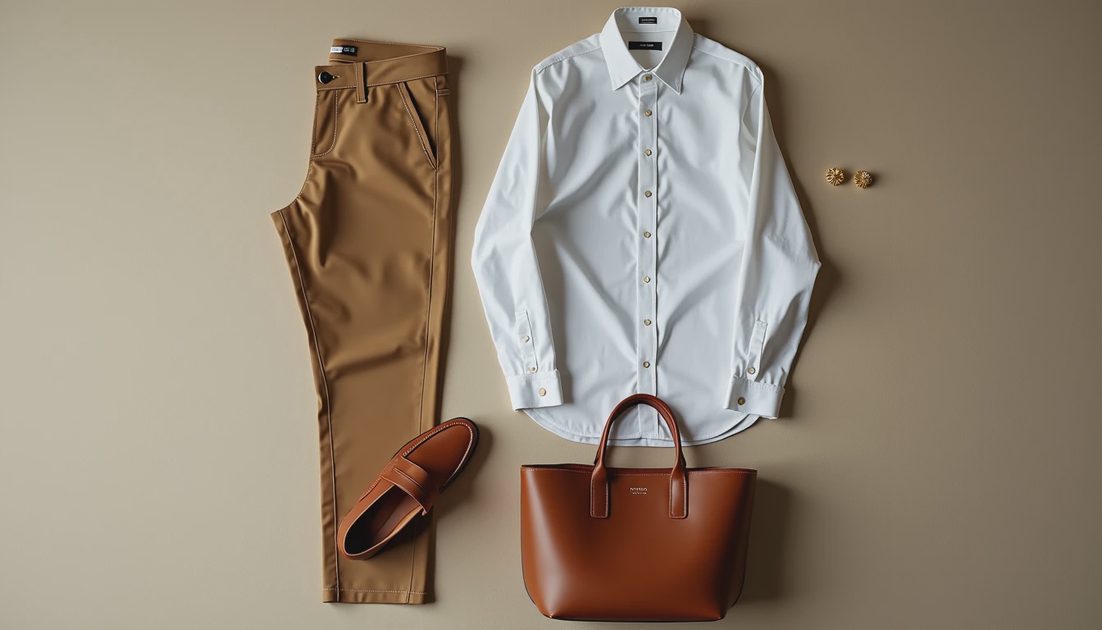
1. The Classic Everyday Look
Slim-fit straight-leg trousers in camel + white Oxford button-down (slightly tucked) + tan loafers + a simple leather tote + gold stud earrings. Clean, unfussy, effortlessly put-together.
2. Parisian-Inspired Old Money
A navy midi wrap dress in silk or silk-blend + ballet flats in nude or black + a structured leather crossbody + a delicate chain necklace. Add a lightweight trench if the weather calls for it.
3. Casual Preppy
A fine-knit polo in ivory or pale blue + a pleated midi skirt in khaki or soft plaid + white leather tennis shoes + small pearl studs. This is the weekend look that still reads polished.
4. Euro Summer Edit
A white linen button-down (slightly oversized, sleeves rolled) + high-waisted wide-leg linen trousers in natural or stone + leather sandals + a straw tote with leather handles. Minimal jewelry — just one or two gold pieces.
5. The Oxford Shirt and Tailored Shorts Combo
A classic Oxford shirt in blue or white, slightly oversized, tucked loosely into tailored bermuda shorts in navy or khaki. Add loafers, a simple belt, and a pair of tortoiseshell sunglasses.
6. Dark Academia Old Money
A white or cream blouse with a subtle ruffle or detail at the collar + a high-waisted wool midi skirt in deep burgundy or forest green + low-heeled ankle boots in cognac leather + a structured satchel bag. Layer a fitted blazer or fine-knit vest over the blouse for depth.
Building the Look on a Budget
Here's the truth about the old money aesthetic: it's one of the most budget-accessible aesthetics in contemporary fashion, precisely because it rejects trends and prioritizes classic pieces. You're not chasing what's new — you're building something lasting.
Shop secondhand first. Vintage and consignment shops are the natural home of old money dressing. Quality wool blazers, silk blouses, leather loafers, and cashmere sweaters exist in abundance in secondhand markets — often at a fraction of retail prices.
Invest selectively. You don't need an entirely expensive wardrobe. Choose two or three key pieces to invest in — a well-made blazer, a quality leather bag, a cashmere crewneck — and source other items more affordably.
Learn to spot quality. Natural fabrics, clean seams, substantial weight, and quality lining are indicators you can assess before purchasing. This skill is worth developing.
Prioritize fit over brand. An altered affordable blazer will always look better than an ill-fitting expensive one. Tailoring a $40 thrifted jacket costs very little and transforms the result.
Build slowly. Resist the urge to "buy the aesthetic" all at once. Old money wardrobes are built over time, with intention.
The Old Money Mindset: Beyond the Clothes
What separates genuine old money style from simply wearing the right clothes is the attitude that accompanies it. The old money aesthetic is as much a way of carrying yourself as it is a wardrobe formula.
Confidence without performance. The old money woman doesn't dress to be noticed — she dresses because she has standards for herself. There's a quietness to her confidence that doesn't require external validation.
Etiquette and manner. Posture, tone, how you treat people — these are as much a part of the old money aesthetic as any garment. Attentiveness, punctuality, genuine courtesy.
Relationship to consumption. Old money sensibility is inherently anti-disposable. Buying less, buying better, caring for what you have, and wearing things for years rather than seasons.
A note on Princess Diana. No conversation about old money female style is complete without her. Diana's off-duty style — cycling shorts with an oversized blazer aside — was a masterclass in refined casual dressing. Equestrian-inspired pieces, classic knitwear, tailored suits, simple silk dresses. She wore accessible brands alongside haute couture and made everything look effortless. Her style legacy is exactly what the old money aesthetic aspires to: quality, ease, and an innate sense of proportion.
Do's and Don'ts
Do: Invest in fit and tailoring. Build a neutral foundation. Choose natural fabrics. Wear pieces repeatedly. Embrace quiet details over loud logos.
Don't: Chase trends. Over-accessorize. Show visible brand logos. Mix too many patterns or colors. Buy for the occasion rather than the wardrobe.
Do: Shop vintage for quality pieces. Choose shoes and bags that will last years. Develop your own version of the aesthetic rather than copying it exactly.
Don't: Confuse old money with boring. Confuse minimalism with lack of personality. Confuse expensive with good-looking.
Frequently Asked Questions
Do I need a large budget to dress in the old money aesthetic? No. The aesthetic is built on quality and intention, not price tags. Thrift stores, vintage shops, and careful investment in a few key pieces are entirely consistent with the old money approach to dressing.
Can I wear jeans and still embody the old money style? Yes — dark, well-fitting straight-leg or slim jeans in indigo or black work within the aesthetic, particularly when paired with a structured blazer or a quality knit. Distressed, heavily faded, or overly casual denim doesn't fit the sensibility as well.
What colors are most central to this aesthetic? Neutrals are the foundation: ivory, camel, navy, grey, white, and stone. Muted accent tones like burgundy, forest green, and dusty blue complement the palette without disrupting it.
How important is tailoring? Extremely. Fit is arguably more important than any other single element. A well-tailored, affordable garment will always look more refined than an expensive piece that doesn't fit properly.
Can I incorporate current trends? Selectively. The old money aesthetic isn't anti-fashion — it's just selective about which trends it adopts. If a trend aligns with the core principles (clean lines, quality fabric, classic silhouette), it can be incorporated. If it's overtly trend-driven or logo-heavy, it's probably not a fit.
Is makeup part of the old money aesthetic? Yes, in a subtle way. The old money approach to beauty, like fashion, favors restraint: a clean, well-groomed appearance with polished but understated makeup. Think clean skin, defined brows, a classic red or neutral lip. The goal is put-together, not elaborate.

No comments yet — be the first to share a thought.