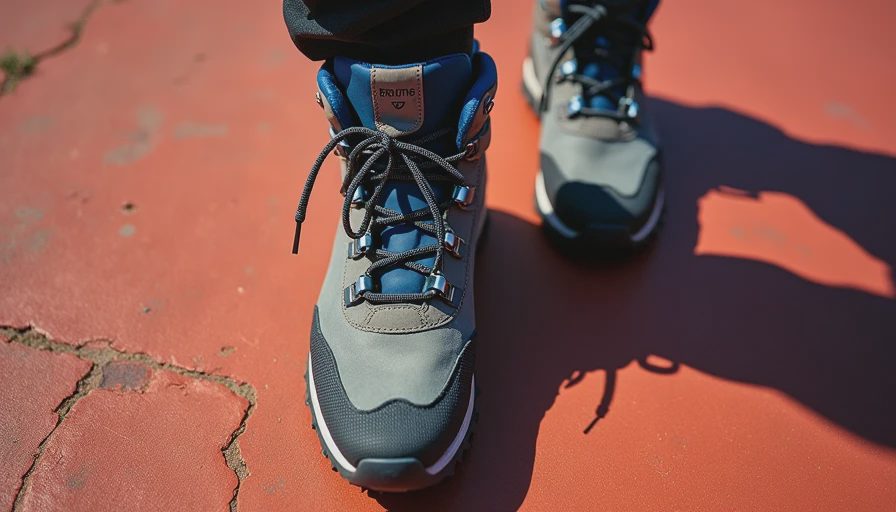
If you've ever stepped in a puddle and felt cold water seep into your socks, you know why waterproof hiking boots matter. Whether you're tackling a muddy spring trail or crossing a shallow stream, having reliable waterproof hiking boots can make the difference between a great day outdoors and a miserable one. The key is knowing what features actually work—and which ones are just marketing hype. Let's break it down.
What Makes a Hiking Boot Waterproof?
The waterproofing in hiking boots typically comes from either a membrane (like Gore-Tex or eVent) or a waterproof treatment (like waxed leather). Membranes are thin layers laminated between the boot's outer material and inner lining. They allow sweat vapor to escape while blocking liquid water from entering. Many mid-range boots use proprietary membranes—for example, Merrell uses M Select DRY, Columbia uses OutDry, and Keen uses Keen.Dry. These are effective but less breathable than Gore-Tex. For most day hikers, any quality membrane will work. If you hike in consistently wet conditions, Gore-Tex is worth the premium. Waxed leather boots, like those from Danner, rely on thick full-grain leather treated with oils or waxes. They're durable but heavy and require regular maintenance.
Key Features to Look for in Waterproof Hiking Boots
Beyond the membrane, a few other specs matter. **Ankle support**: Higher cut boots protect against twists on uneven terrain. **Outsole**: Vibram soles are the gold standard for traction on wet rock. **Weight**: Lighter boots (around 2-3 lbs per pair) are better for longer hikes; heavier boots (4+ lbs) offer more durability. **Fit**: Waterproof boots tend to run snug because the membrane adds bulk. Always try them on with the socks you'll hike in. **Seams**: Look for taped or sealed seams—an unsealed seam is a guaranteed leak point after a few miles. **Price range**: Good waterproof hiking boots start around $100 (Columbia Redmond, Merrell Moab 2 Waterproof) and go up to $250+ for premium models (Salomon X Ultra 4 GTX, Lowa Renegade). The sweet spot for most casual hikers is $120-$160.
Top Budget-Friendly Waterproof Hiking Boots
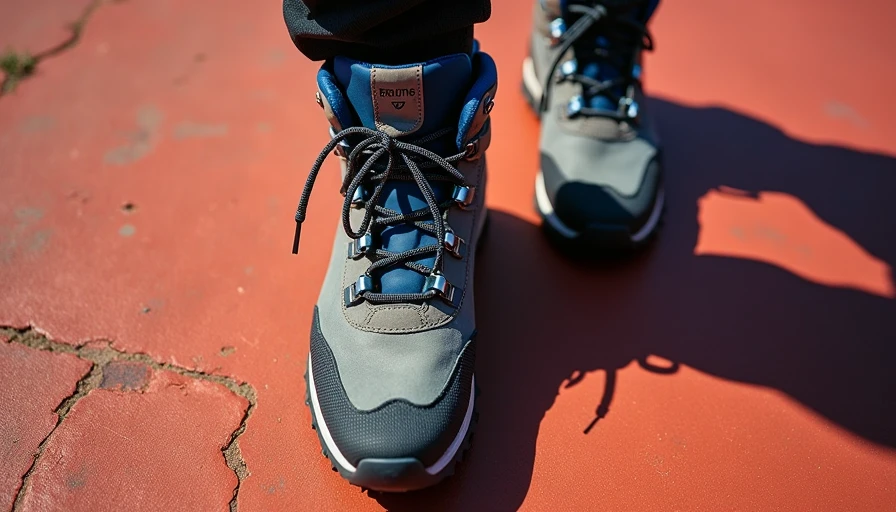
You don't need to spend a fortune to stay dry. Here are three solid options under $160:
- **Merrell Moab 2 Waterproof** – A classic. Comfortable out of the box, good traction, and reliable waterproofing. Expect around 300–500 miles of use before the membrane starts to delaminate. Price: ~$130.
- **Columbia Newton Ridge Plus** – Affordable and surprisingly durable for the price. The lightweight outsole is great for day hikes, but less grip on steep, wet terrain. Price: ~$90.
- **Keen Targhee III Waterproof** – Roomy toe box and excellent ankle support. The Keen.Dry membrane holds up well in stream crossings. Slightly heavier but very stable. Price: ~$150.
If you hike more than once a week, consider stepping up to the ~$180 range for models like the Salomon X Ultra 4 GTX—better traction, faster drying, and a more precise fit.
How to Care for Your Waterproof Hiking Boots
Waterproofing isn't permanent. Over time, dirt and wear break down the membrane and treatment. Here's how to extend the life of your boots:
- **Clean after every hike** – Use a soft brush and mild soap to remove mud. Avoid harsh detergents.
- **Dry properly** – Stuff with newspaper and let them air dry away from direct heat. Heat ruins the membrane.
- **Re-waterproof** – Use a spray or wash-in treatment (like Nikwax) every 3–4 months, or when water no longer beads on the surface.
- **Store in a cool, dry place** – Heat and humidity accelerate glue failure.
With regular care, a good pair of waterproof hiking boots should last 2–3 seasons of moderate use.
When to Invest in Premium Waterproof Hiking Boots
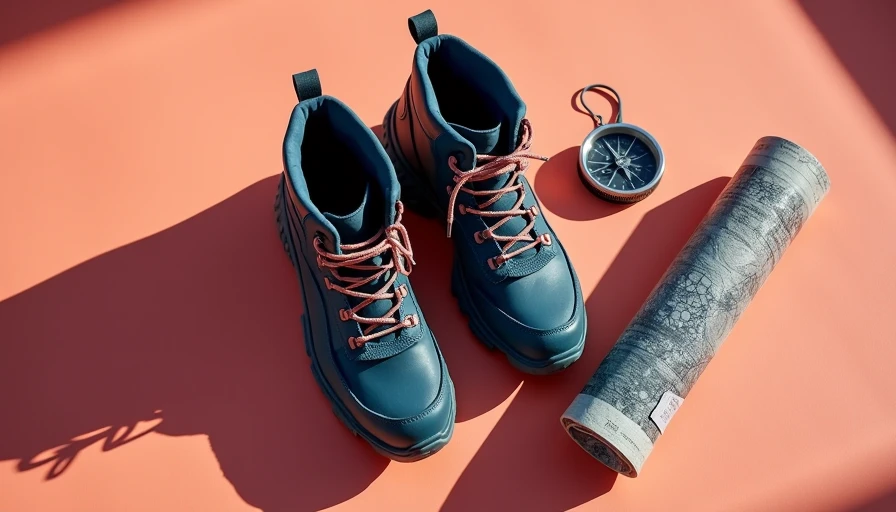
If you're a weekend warrior who hikes 20+ miles a week, the extra cost of premium waterproof hiking boots pays off. Boots like the Lowa Renegade GTX ($260) or Asolo Fugitive GTX ($260) use full-grain leather, have replaceable insoles, and can be resoled. They'll last 5+ years. For annual vacation hikers, the difference is marginal—stick with the $120–$150 sweet spot.
Remember, no boot is 100% waterproof forever. Eventually, every membrane wets out from the inside due to sweat or from the outside after hundreds of miles. But choosing the right pair now means you'll stay dry longer. Wear them until they're done. Not a day sooner.
**Final thought:** Don't let price alone dictate your decision. Fit is everything. A $250 boot that doesn't fit your foot is worse than a $90 boot that feels like a glove. Try before you buy, take them on short walks, and if you can, order from a store with a good return policy. Your feet will thank you.
How to Test Waterproofing Before You Buy
Can't tell if a boot is truly waterproof until you're in the field. But you can test before purchase. Bring a water bottle to the store. Sprinkle water on the boot toe while wearing it; if the inside feels damp within a minute, the membrane or seam has a defect. Also, check the tongue construction—a solid gusset (attached up the sides) prevents water entry through the tongue gap. Walk on a wet tile floor: the tread should grip, not slide. For online orders, use the water test in your kitchen sink (fill a shallow pan, step in, check for leaks). This is especially important for budget boots where quality control can vary. Many retailers like REI or Backcountry allow returns within a year—use that policy to test your boots on real trails. Don't rely on reviews alone; your foot geometry matters. A boot that's waterproof for one hiker might leak for you if the fit isn't right. Consider this: if your heel slips even a quarter inch, the boot's flex creates micro-gaps in the membrane over time. That's why you must test the boot with your typical hiking socks—thick wool or thin liner, whichever you use. Also, check the boot's flex point—bend the toe up and look for creasing. Excessive creasing right at the toe box can crack the membrane early. Brands like Salomon and Lowa tend to have better membrane placement, but cheaper boots like Columbia Newton Ridge often develop leaks after 200 miles due to poor seam sealing. So testing gives you that confidence before committing cash.



No comments yet — be the first to share a thought.