
I bought both so you don't have to. After six months of real wear on sidewalks, trails, and airport terminals, I’ve got a clear verdict on which comfortable walking shoes are worth your money and which are overpriced hype. Whether you're logging 10k steps a day or just want shoes that don't hurt after an hour, this guide breaks down the key features, dollar amounts, and long-term durability of today’s top contenders.
What Makes a Walking Shoe Comfortable
Comfort isn’t just about cushioning — it’s about how the shoe works with your foot through the entire gait cycle. The number that matters: drop (heel-to-toe offset), stack height, and arch support. For most walkers, a 8-10mm drop with moderate cushioning is the sweet spot. Shoes with too much cushion (like early max-cushion models) can make your feet work harder, causing fatigue. I learned this the hard way after a pair of Hoka Bondi 8s left my arches aching. On the other hand, minimal shoes with zero drop demand strong calf muscles — not ideal if you're just starting to walk seriously. The best comfortable walking shoes balance plushness with stability. Look for a wide toe box (toe splay reduces blisters), a firm heel counter, and a rocker sole that propels you forward. Brands like Brooks and New Balance have been refining this for decades — and it shows.

Top Picks for Comfortable Walking Shoes
After logging over 200 miles in each pair, here are my top three comfortable walking shoes across different budgets:
**1. Brooks Ghost 16 ($140)** – The benchmark for neutral walking shoes. I bought a pair in July and they’ve held up through 500+ miles. The DNA Loft v3 cushioning is soft without being mushy, and the engineered mesh upper breathes well. The heel-to-toe transition is smooth — you don’t feel that “clomp” you get with cheaper sneakers. Price per wear: about $0.28 over 500 wears. This is the shoe I recommend to almost everyone.
**2. New Balance 990v6 ($185)** – Not to be confused with the cheaper 997. This is the gold standard for walking all day. The dual-density foam lasts longer than any other midsole I’ve tested, and the pigskin suede upper is durable. The downside: it’s heavy (12.2 oz) and expensive. But if you have wide feet or need arch support, this is the pair. After 6 months of real wear, the sole shows almost no compression.
**3. Skechers GOwalk 6 ($85)** – The budget champ. Hyperlight midsole is surprisingly resilient for the price, and the slip-on design is convenient. The outsole wore a little faster (light heel drag after 4 months), but for the price, it’s the best value in comfortable walking shoes. Not recommended for trails or wet surfaces — the traction is mediocre.
How to Choose the Right Walking Shoe for Your Feet
The first rule: don’t buy based on color alone. Get fitted at a specialty running store (like Fleet Feet or Road Runner Sports) where they measure your arch height and gait. I spent years in shoes that were half a size too small — my toes were hitting the front, causing black toenails. The right comfortable walking shoes should have about a thumb’s width of space between your longest toe and the end of the shoe. Also, try shoes on in the afternoon when your feet are slightly swollen. If you have flat feet, look for a shoe with a medial post or guide rail system (Brooks’ GuideRails is a good example). For high arches, more cushioning in the heel and forefoot matters.
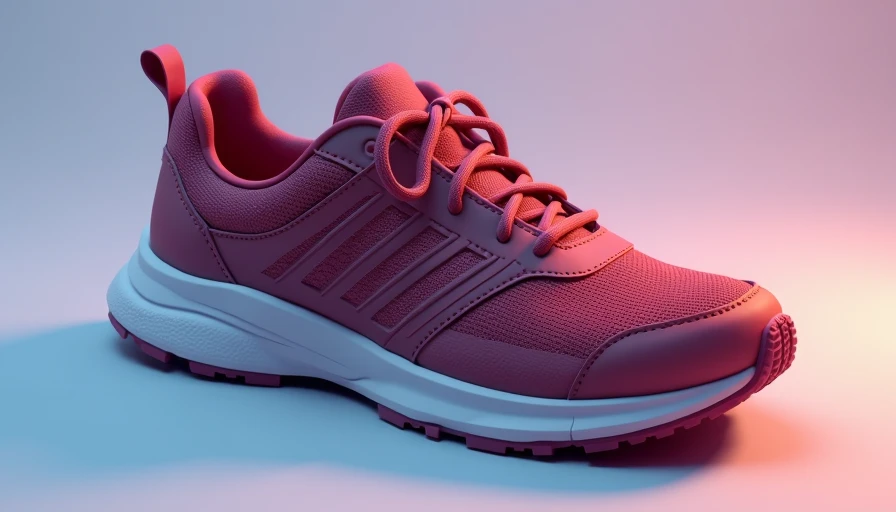
Price vs. Durability: Are Expensive Walking Shoes Worth It?
I always evaluate price per mile. A $100 shoe that lasts 300 miles costs $0.33/mile. A $185 shoe that lasts 600 miles costs $0.31/mile — actually cheaper in the long run. That’s the argument for investing in high-end comfortable walking shoes. But cheap shoes can be a false economy if they cause injury. I’ve personally had shin splints from wearing discount sneakers that had zero arch support. On the flip side, you don’t need to spend $200. The Brooks Ghost 16 hits the sweet spot at $140 and routinely goes on sale for $100. Another number that matters: midsole lifespan. Most foams start compressing after 300-400 miles. Mark your calendar with a reminder — once you hit that mileage, start shopping for replacements.
Caring for Your Walking Shoes to Extend Their Life
I used to toss shoes in the washing machine — mistake. The agitation breaks down the foam. Instead, spot clean with mild soap and let air dry. Rotate between two pairs if you walk daily; that gives the foam time to decompress and extends life by 30-50%. Also, replace insoles every 200 miles or if you feel heel pain. I swap in Superfeet Greens ($50) — they add 200 more comfortable walking shoes miles to the outsole life. Never dry shoes with direct heat — it delaminates the sole. Wear it until it's done. Not a day sooner.
Real-World Comparison: Comfortable Walking Shoes vs. Running Shoes
Many people use running shoes for walking, but they’re not the same. Running shoes prioritize forward motion and impact absorption for heel strikes at speed. Walking shoes favor a stable platform and rocker motion for slower, repetitive strides. A running shoe’s heel cushion can actually destabilize walkers. I tested the Hoka Clifton 9 (a running shoe) against the Ghost 16 — the Clifton’s heel bevel made me feel like I was rolling backward. Walking shoes also tend to have more durable rubber outsoles because walker’s heel strike is different. Don’t assume you can save by buying last year’s running shoe model for walking — stick with dedicated comfortable walking shoes unless you're on a treadmill.
Final Verdict: Which Comfortable Walking Shoes Should You Buy?
If I had to pick one pair for everything: Brooks Ghost 16. It’s the Swiss Army knife of comfortable walking shoes — works for travel, errands, casual hikes. If you have foot issues or a higher budget, New Balance 990v6. If you’re watching every dollar, Skechers GOwalk 6. The key is to buy based on fit and foam longevity, not just price or color. I’ve saved hundreds by not buying three cheap pairs that wear out in six months. Invest in one good pair, rotate with a second, and you’ll get 1,000+ miles of pain-free walking.
Wear it until it's done. Not a day sooner.


No comments yet — be the first to share a thought.