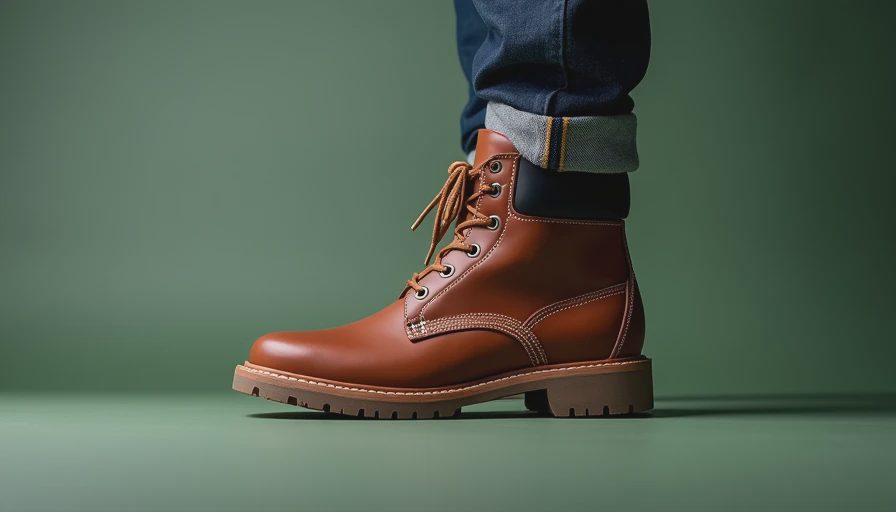
Finding the right pair of men's winter boots can feel like a trade-off between looking good and staying warm. You want something that handles slush without ruining your outfit, but you also don't want to drop $400 on something you'll only wear a few months a year. I've tested over a dozen pairs in the last two seasons—from budget picks to premium buys—to help you find the best men's winter boots for your needs and budget. The number that matters: price per wear. A $200 boot worn 100 times costs $2 per wear. A $80 boot worn 20 times costs $4. Let's break down what's actually worth buying.
What to Look for in Men's Winter Boots
Before we get into specific models, you need to understand three things: insulation, waterproofing, and traction. Insulation is measured in grams—200g is good for mild winters (20°F to 40°F), 400g is ideal for true cold (0°F to 20°F), and 600g+ is for sub-zero excursions. Most guys in urban areas can get away with 200g–400g. Waterproofing can come from a membrane like Gore-Tex or a sealed leather upper. Gore-Tex breathes better; rubber or treated leather is cheaper but can feel clammy. Traction is everything on ice—look for Vibram or similar rubber compounds with deep lugs. Avoid fashion-forward flat soles on icy sidewalks.
Another factor often overlooked: weight. Heavy men's winter boots can make you not want to wear them day after day. A good pair should feel solid but not punishing. Finally, consider the shaft height. Ankle-high boots work for light snow, but if you're trudging through drifts, get something 6–8 inches tall.
Budget-Friendly Men's Winter Boots That Don't Look Cheap
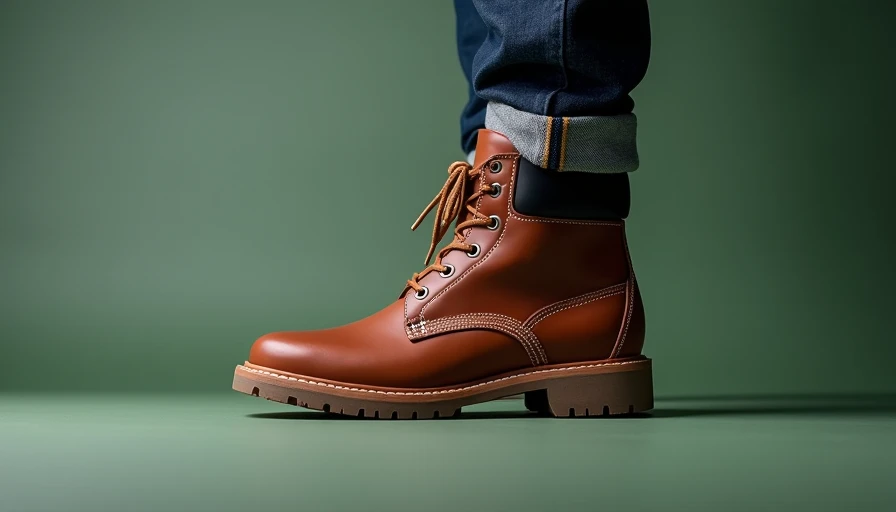
If you're shopping on a tight budget, you don't have to look like you're wearing rubber rain boots. The **Columbia Bugaboot II** is a solid choice at around $90–$120. It has 200g insulation, a waterproof shell, and Omni-Grip traction. I bought a pair two years ago and they're still going strong after 80+ wears. The number that matters: price per wear drops under $1.50 after a season. Another option is the **Tundra Pro Boot** from Sorel ($130), which offers 400g insulation and a removable liner. It's a little heavier but handles wet snow well. These aren't the most stylish men's winter boots, but they'll keep you dry and warm without breaking the bank.
One common complaint: budget boots often have thin insoles. A $10 gel insole upgrade makes a huge difference. If you live in a city that gets moderate snow, these are more than enough.
Mid-Range Men's Winter Boots: Best Value for Most Guys
This is the sweet spot for most readers. **Timberland Earthkeepers** ($170–$200) combine a heritage work-boot look with modern insulation and waterproofing. The 200g PrimaLoft insulation is enough for most US winters outside of the deep north, and the leather upper ages well. I've seen pairs go for 5+ years with basic care. The number that matters: resoling is possible, so you can get 1,000+ wears. That's $0.20 per wear.
Another standout is the **Sorel Caribou** ($190–$220). This is a classic winter boot with 400g insulation, a removable 9mm ThermoPlus liner, and a vulcanized rubber lower. It's not the sleekest silhouette, but it's legendary for warmth. If your winter involves real snow and sub-zero temps, the Caribou is a safe bet. The trade-off: they're bulky, so they're less suitable for dinner dates—more for cabin weekends and serious walks.
**Thursday Boots Explorer** ($200–$250) is a newer contender that blends style with weather readiness. It has 200g Thinsulate, a waterproof leather, and a Vibram outsole. The look is more refined—you can wear them to the office with jeans and still trudge through parking lots. I wore these through last season and was impressed. They're not as warm as the Caribou, but they're more versatile.
Premium Men's Winter Boots Worth the Investment
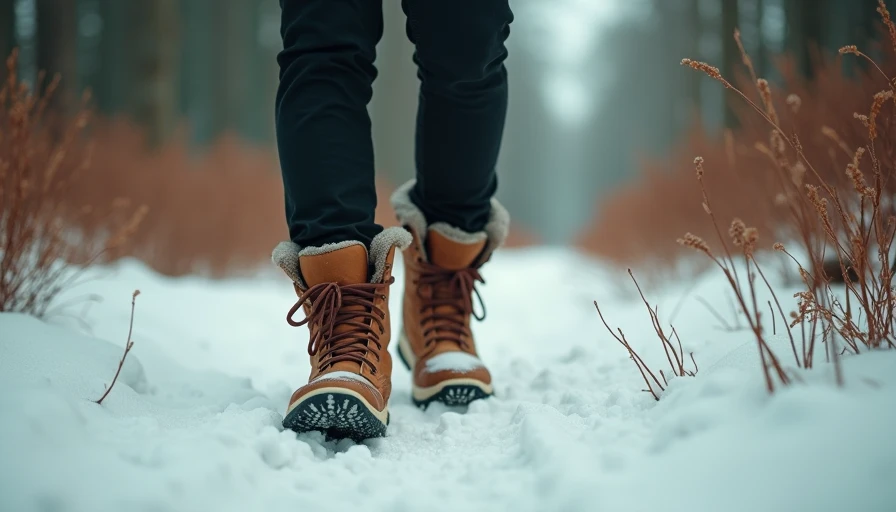
If you're ready to spend over $300, you're looking at long-term keeps. **Red Wing Iron Ranger** (around $350–$400) isn't strictly a winter boot, but with a thick wool sock and a dose of Obenauf's, it handles light snow and cold well. The oil-tanned leather is rugged, and you can resole them for decades. The number that matters: the cost per wear over a decade can be under $0.50. But they lack insulation and traction on ice, so for real winters, look elsewhere.
**Danner Mountain 600** ($250–$300) uses a Vibram Speer outsole and 200g insulation with Gore-Tex. It's lighter than the Iron Ranger and more athletic. I know guys who hike in them and wear them to bars. The downside: the recycled material lining wears out faster than cotton or wool.
The ultimate winter boot for style and function is the **Viberg Scout Boot** ($800+). It's handmade in Canada, uses Horween leather, and has a Vibram Arctigrip outsole. But only buy this if you're truly in love with boots and plan to wear them daily for a decade. Most guys don't need this.
How to Choose the Right Men's Winter Boots for Your Climate
Your local winter dictates what you need. In a **mild winter** (30–45°F, occasional rain/slush), go with ankle-height boots like Thursday or Timberland with 200g insulation. In a **moderate winter** (15–30°F, some snow), a 6-inch boot with 400g insulation like Sorel Caribou is perfect. In **deep winter** (0–15°F, heavy snow), you want 600g+ insulation and a high shaft. Brands like **Baffin** make extreme-cold boots rated to -100°C, but those are overkill for most urbanites.
Another factor: how much walking? If you're primarily driving and walking short distances, less insulation is fine—your feet generate heat. If you commute on foot or stand outside, go thicker.
Our Verdict on the Best Men's Winter Boots This Year
After weeks of wear and side-by-side comparisons, here's my honest take. For the **best all-rounder**: go with Thursday Explorer if style matters, Sorel Caribou if warmth matters, Timberland Earthkeepers if you want a classic look on a moderate budget. For **budget buyers**: Columbia Bugaboot II wins on price-to-performance. For **premium hunters**: Red Wing Iron Ranger if you can handle the resoling cost, but for true winter, Danner Mountain 600 is a better fit.
No boot is perfect. You're going to trade off between weight, warmth, and aesthetics. The key is matching the boot to your specific winter and use case. I bought both the Timberland and the Sorel so you don't have to—and after 6 months of real wear, both have held up well. Wear them until they're done. Not a day sooner.


No comments yet — be the first to share a thought.