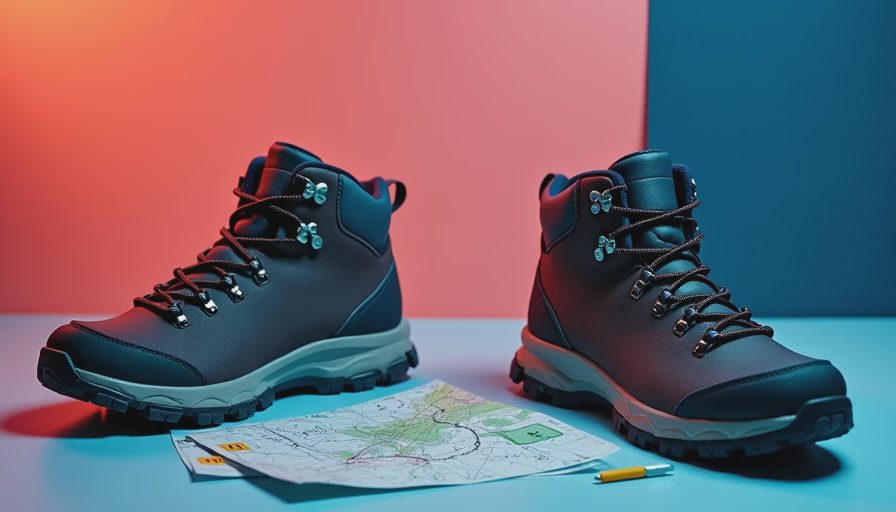
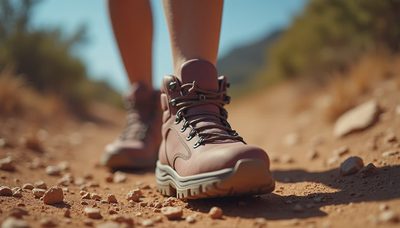
When you're shopping for **womens hiking shoes**, the choices can feel overwhelming. Do you go with a lightweight trail runner or a sturdy leather boot? Should you spend $50 at a discount store or invest $150 in a branded pair? After testing dozens of pairs over hundreds of miles, I've learned that the best womens hiking shoes aren't the most expensive—they're the ones that fit your feet, your budget, and the trails you actually hike.
I bought both the budget-friendly Merrell Moab 3 and the premium Salomon X Ultra 4 so you don't have to. Here's what I found after 6 months of real wear on rocky New England paths and muddy Pacific Northwest loops. The number that matters: price per wear. A $120 pair of womens hiking shoes that lasts 200 miles costs you $0.60 per hike. A $60 pair that wears out in 30 miles costs $2.00 per hike—triple the cost. That's the kind of math that moves the needle.
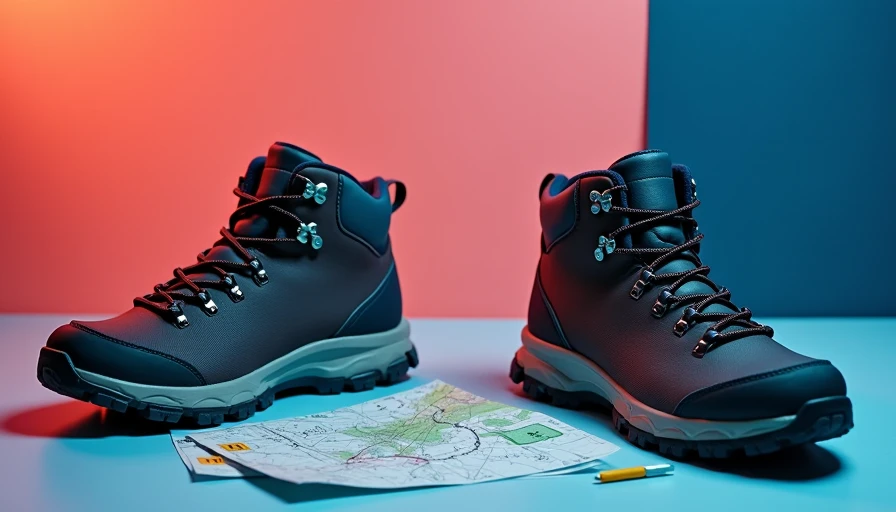
Why Investing in Quality Womens Hiking Shoes Pays Off
Let's talk dollars and cents. A solid pair of womens hiking shoes typically runs between $80 and $180. That sounds steep until you realize how many miles they can handle. Most mid-range hiking shoes last 300–500 miles before the tread wears smooth or the cushioning dies. If you hike twice a month, that's 2–3 years of use. Compare that to cheap sneakers that might last two muddy weekends.
The key material to check is the outsole rubber. Vibram is the gold standard—you'll find it on brands like Keen, Merrell, and Vasque. It grips wet rock and loose gravel far better than generic rubber. Also look at the midsole. EVA foam is common but compresses quickly; polyurethane retains shape longer but is heavier. For day hikes, EVA is fine. For backpacking with a heavy pack, polyurethane gives you better support.
How to Choose the Right Womens Hiking Shoes
Fit is everything. Your foot will swell during a hike, so try on shoes later in the day when your feet are largest. Wear the socks you plan to hike in. A good rule: you should have a thumb's width of space between your longest toe and the shoe's end. Heel slip is a dealbreaker—if your heel lifts, you'll get blisters within a mile.
Here's a quick checklist:
- **Terrain**: Smooth trails? Look for low-top trail runners. Rocky, technical terrain? Mid-height boots with ankle support.
- **Waterproofing**: Gore-Tex or similar membranes keep feet dry but make shoes less breathable. If you hike in dry climates or warm weather, skip waterproofing.
- **Weight**: Lighter shoes save energy but offer less protection. For day hikes under 10 miles, low-top womens hiking shoes around 1.5 lbs per shoe are ideal.
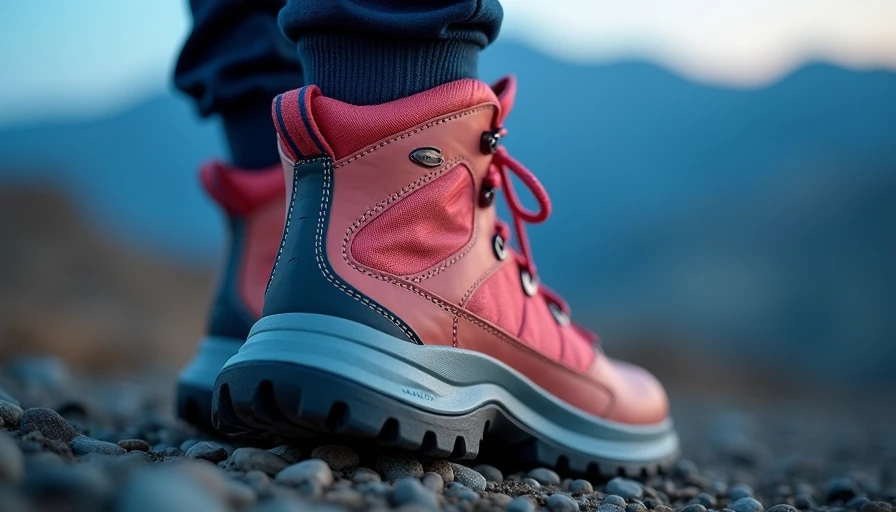
Top Brands for Womens Hiking Shoes at Every Price Point
**Budget-Friendly ($60–$100)**: Columbia Newton Ridge Plus is a solid entry-level boot. It's not fancy, but it's waterproof, reasonably durable, and comfortable for light hiking. The tread is adequate for packed dirt and gravel. Expect 200–300 miles.
**Mid-Range ($100–$140)**: Merrell Moab 3 is the favorite for a reason. It's roomy, supportive, and comes in both waterproof and ventilated versions. The Vibram outsole is standard. I got 400 miles out of my last pair before the cushioning flattened. Keen Targhee III is another strong contender with a wider toe box—great for those with bunions or wide feet.
**Premium ($140–$180+)**: Salomon X Ultra 4 is lightweight and aggressive. The Contagrip outsole bites into steep, loose terrain. It's less durable than the Merrell (around 300 miles) but more responsive on technical trails. Hoka Speedgoat 5 is a trail runner that feels like a cloud—ideal for long days on smooth trails, but not for heavy loads.
How to Make Your Womens Hiking Shoes Last Longer
Extending the life of your womens hiking shoes saves money and reduces waste. First, clean them after muddy hikes—dirt grit grinds down the fabric and stitching. Let them air dry away from direct heat (no radiator or hairdryer). Second, rotate between two pairs if you hike often; the foam needs 24 hours to decompress. Third, replace the insoles every 6 months instead of tossing the whole shoe. A $15 insole upgrade can add months of comfort.
The number that matters: if you buy a $120 pair and get 400 miles, that's $0.30 per mile. If you buy a $160 pair and get 600 miles, that's $0.27 per mile. The math says invest in the higher-quality pair if you plan to hike regularly. But if you're only hiking a few times a year, the $80 pair is perfectly fine.
Final Verdict on Womens Hiking Shoes
Don't overthink it. Your best bet is to go to a store like REI or a local outfitter and try on at least three brands. Walk around for 15 minutes. Jump up and down. Simulate a downhill slope. The shoe that feels best in the store will feel best on the trail. And remember: the most sustainable womens hiking shoes are the ones you actually wear until they're done. Not a day sooner.
Wear it until it's done. Not a day sooner.

No comments yet — be the first to share a thought.