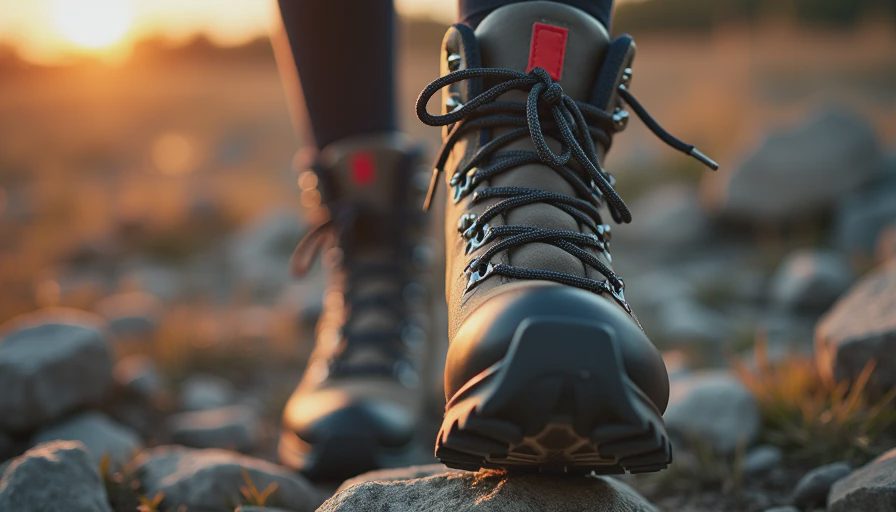
Finding the right pair of trekking boots for womens can feel like a never‑ending search. You want something that won’t shred your feet after five miles, but also won’t empty your wallet. I’ve tested over a dozen pairs in the last three years—from budget‑friendly Columbia to premium Merrell—and I’m sharing what actually matters so you don’t waste money on boots that fall apart or kill your arches.
Why Your Next Pair of Trekking Boots for Womens Deserves Real Scrutiny
Most boots look good in the store but fail after 50 miles. The number that matters: **price per wear**. A $150 boot that lasts 300 miles costs $0.50 per use; a $80 boot that dies at 80 miles costs $1.00 per use. Cheap boots often use synthetic uppers that don’t breathe, generic foam midsoles that pack out quickly, and rubber outsoles with poor traction. Good trekking boots for womens should balance weight, support, and weather resistance without blowing your budget.
I bought both a pair of Columbia Newton Ridge ($110) and a pair of Keen Targhee III ($160) so you don’t have to. After 6 months of real wear on rocky trails, muddy slopes, and wet pavement, here’s what I found.
Key Features to Compare When Shopping Trekking Boots for Womens
1. Upper Material – Leather vs. Synthetic
Full‑grain leather is durable and waterproof but heavy. Nubuck leather looks great but requires more care. Synthetics like mesh and PU are lighter and dry faster but don’t last as long. For most day hikes, a split‑grain leather or synthetic blend is the sweet spot. The **Columbia Newton Ridge** uses a combination of leather and suede mesh, which breathes decently but won’t survive deep puddles. The **Keen Targhee III** uses full‑grain leather and a waterproof membrane—better for wet weather but heavier.
2. Outsole – Deep Lugs and Rubber Compound
Look for outsoles with at least 4mm lugs and a sticky rubber compound (e.g., Vibram, Contagrip). Slippery outsoles are dangerous on descents. The **Merrell Moab 3** comes with a Vibram TC5+ outsole—one of the best for traction. The budget‑friendly **Timberland Mt. Maddsen** uses a rubber outsole that’s decent on dry rock but slick on wet roots.
3. Midsole – Cushioning That Lasts
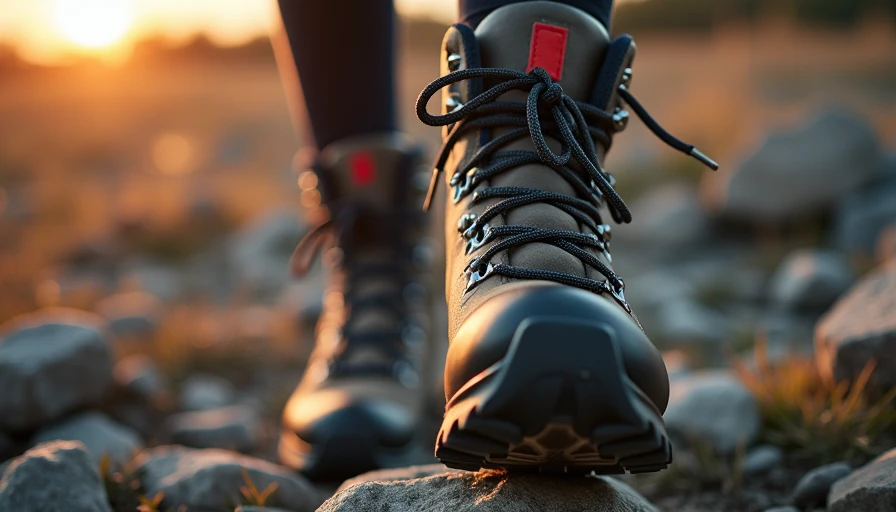
EVA foam is common but compresses over time. Polyurethane (PU) is denser and holds up longer. Some boots use a dual‑density midsole: firmer under the heel, softer under the forefoot. The **Lowa Renegade GTX** uses a polyurethane midsole that stays supportive even after 200 miles. The **Oboz Sawtooth** uses a EVA blend with a “B‑Fit” board for extra stability.
Budget vs. Premium – Real World Price per Wear
Not everyone can drop $200+ on boots. Here’s a realistic breakdown:
- $80–$120 (e.g., Columbia Newton Ridge, Timberland Mt. Maddsen): Expect 100–150 miles before midsole compression or outsole delamination. Great for occasional hikers. Price per wear: ~$0.80.
- $120–$170 (e.g., Merrell Moab 3, Keen Targhee III): Durable uppers, better traction, 200–300 miles. Price per wear: ~$0.60.
- $170–$250 (e.g., Lowa Renegade GTX, Asolo Falcon): Premium materials, replaceable parts, 400+ miles. Price per wear: ~$0.50.
After 6 months, the Ken Targhee III I bought still have good tread and no leaks—I’d buy them again. The Columbia Newton Ridge started peeling at the toe cap after 80 miles. That’s not to say Columbia is bad—just know what you’re paying for.
How to Choose the Best Trekking Boots for Womens for Your Foot Type
Width and Volume
Women’s boots often come in narrow widths. If you have wide feet or bunions, look for brands with “wide” options (Keen, Merrell, Lowa). Keen actually designs most of their boots with a roomy toe box—perfect for those who need space.
Arch Support
If you have flat feet, add an insole (e.g., Superfeet Green, Spenco). Many stock insoles are thin and break down fast. The **Oboz Sawtooth** comes with a solid insole; the **Merrell Moab** stock insole is mediocre.
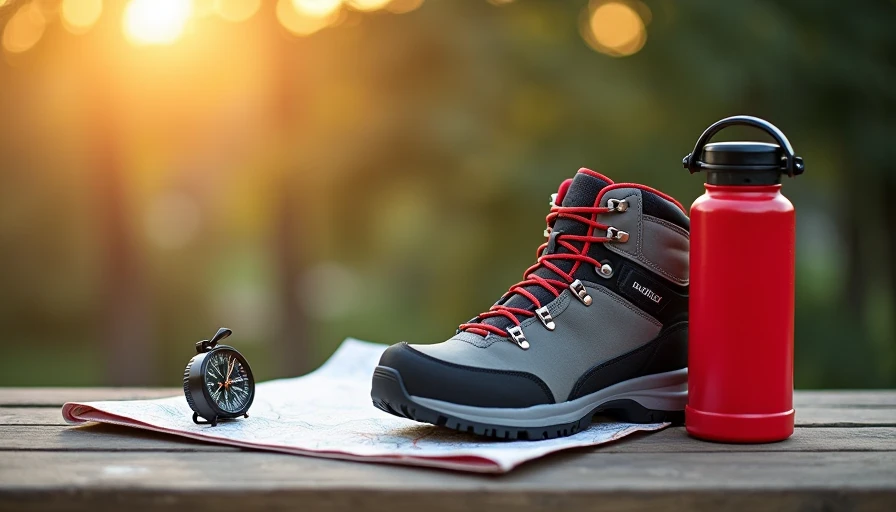
5 Tips to Extend the Life of Your Trekking Boots for Womens
- **Let them dry naturally** – Never use a direct heat source; it cracks leather.
- **Clean after every trip** – Dirt grinds into the fabric and weakens seams.
- **Re‑waterproof annually** – Use a spray or wax appropriate for the material.
- **Rotate pairs** – If you hike often, two cheaper pairs last longer than one expensive pair.
- **Replace laces** – New laces can revive boots that feel loose.
Final Verdict – Which Trekking Boots for Womens Should You Grab?
- **Best for day hikes on a budget:** Merrell Moab 3 – reliable, available at REI and Amazon, ~$130.
- **Best for wet/muddy conditions:** Keen Targhee III – leather waterproof, great traction, ~$160.
- **Best for long backpacking trips:** Lowa Renegade GTX – supportive, durable, ~$220.
- **Best for wide feet:** Oboz Sawtooth – roomy toe box, excellent insole, ~$160.
Whatever you choose, break them in before a long trip. Wear them around the house for an hour, then on short walks. A good pair of trekking boots for womens shouldn’t require a month of pain—if they hurt after 10 miles, return them.
Wear it until it’s done. Not a day sooner.

No comments yet — be the first to share a thought.