The Best Walking Sneakers for Everyday Comfort and Value
If you spend a lot of time on your feet, you already know that a good pair of walking sneakers can make a huge difference. Whether you're commuting, running errands, or just taking a daily stroll for your health, the right shoes can keep your feet happy and prevent long-term issues. But with so many options out there, how do you choose without breaking the bank? Let's break down what matters most and which walking sneakers give you the best bang for your buck.
What to Look for in Walking Sneakers
Before you start shopping, it helps to understand the key features. First, cushioning. Walking puts repetitive stress on your heels and forefoot, so look for sneakers with good midsole foam. Brands like New Balance and ASICS use proprietary foams that absorb shock well. Second, support. If you have flat feet or overpronate, you might need stability features. Third, weight. Lightweight walking sneakers reduce fatigue. Fourth, breathability. Mesh uppers are common and help keep feet cool. Finally, outsole rubber — you want a durable grip that won't wear out fast. No single shoe does everything perfectly, so prioritize the features your feet need most.

Top Walking Sneakers Under $100
You don't need to spend $150 to get a comfortable, durable pair. Here are four models that consistently get good feedback from daily walkers.
New Balance 411v2 – These are a classic for a reason. They offer a cushioned ride with a surprisingly supportive insole. The upper is suede and mesh, which holds up well. Expect to pay around $65. After six months of regular wear, the tread still looks good.
Skechers Go Walk 5 – Skechers built its reputation on comfort. The Go Walk series has a thick foam midsole and a flexible outsole. They are extremely lightweight, almost like slippers. The trade-off: less structured support. Great for pavement walking. Price is about $75.
ASICS Gel-Contend 7 – ASICS walking sneakers often fly under the radar. The Gel-Contend uses a rearfoot gel cushioning system and a durable rubber outsole. It's a bit heavier than the Skechers but offers more arch support. Usually found for around $70.
Nike Revolution 6 Next Nature – A budget-friendly Nike with a plastic-like midsole that provides decent bounce. It's a neutral shoe, best for people with normal arches. The upper is knit, very breathable. Price: about $60.
These are all solid choices. But don't just take my word for it — try them on if you can. Fit is personal.
Walking Sneakers vs. Running Shoes
Many people grab their old running shoes for walking, but that's not ideal. Running shoes are designed for forward motion and impact from heel strikes at a faster pace. Walking sneakers, on the other hand, often have less heel drop and a more flexible sole to accommodate the rolling motion of walking. The cushioning pattern is also different. For example, a walking shoe may have softer foam in the heel, while running shoes focus on forefoot protection. If you only walk, dedicated walking sneakers can be more comfortable and last longer because they're built for your gait. But if you already own a pair of neutral running shoes, they'll work fine for short walks — just expect them to wear out sooner in the wrong areas.
How to Make Your Walking Sneakers Last Longer
Once you find a pair of walking sneakers you love, you want them to last. Here are practical tips.
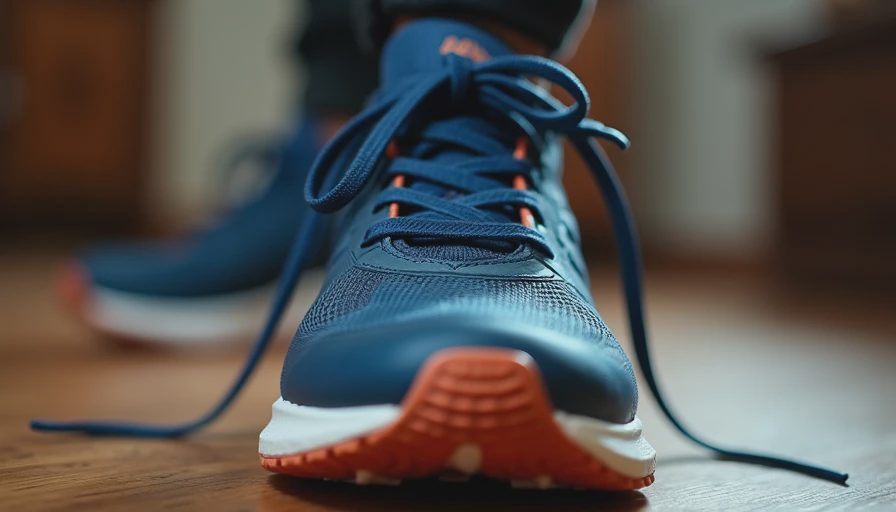
Rotate between two pairs. If you walk every day, alternating shoes allows the foam to decompress and extends the life of both pairs. Keep them clean. Dirt and salt can break down materials. Use a soft brush and mild soap. Air dry — never put them in the dryer. Replace insoles after six months. The foam in most sneakers lasts about 300-500 miles. A good sign to replace: when the sole gets flat or you start feeling pavement through the cushion. Mark your calendar or track steps. Spending $70 and getting 400 miles is about 17 cents per mile. That's cheap compared to foot pain.
The Bottom Line
Finding the perfect walking sneakers doesn't require a huge budget or hours of research. Focus on cushioning, support, and fit. The models I mentioned are proven performers that won't let you down. Consider your walking habits and choose accordingly. And once you buy, take care of them. That little bit of effort will save you money and keep your feet happy. Wear them until they're done. Not a day sooner.
Quick Checklist Before You Buy Walking Sneakers
Use this list to evaluate any pair you're considering.
- Fit: Try on with the socks you'll walk in. There should be a thumb's width from your longest toe to the end. Heel should not slip.
- Flexibility: The shoe should bend at the ball of the foot, not the arch. If it's too stiff, it can cause discomfort.
- Cushioning: Press the midsole. It should spring back. If it feels dead, the foam is already compressed.
- Traction: Look for a rubber outsole with grooves. This prevents slipping on wet pavement.
- Weight: Pick up the shoe. If it feels heavy in hand, it will feel heavy on foot after a mile.
- Breathability: Mesh uppers are best. Avoid thick leather or synthetic without ventilation.
These tips apply whether you're buying walking sneakers online or in-store. A few minutes of checking now can save you from sore feet later. And once you find the right pair, stick with that brand and model — your feet will thank you.



No comments yet — be the first to share a thought.