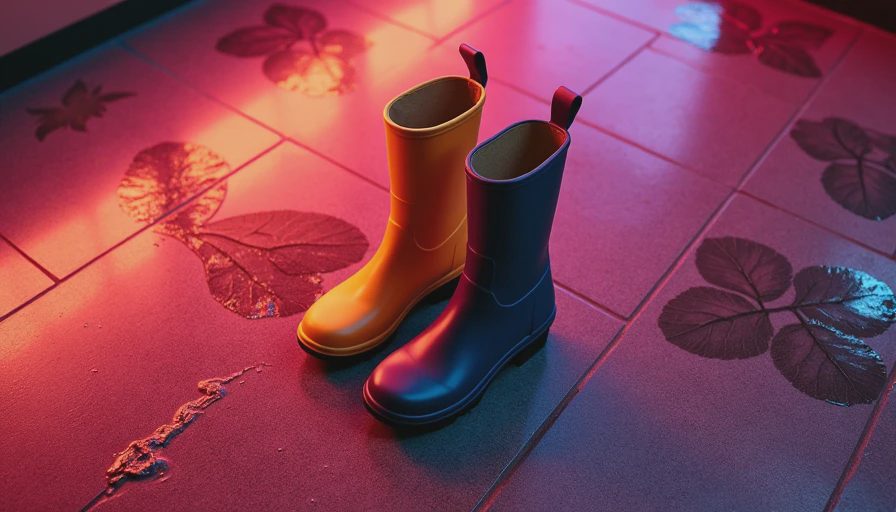
When the skies open up, the right rain boots rain can make the difference between a miserable commute and a dry, comfortable day. But not all rain boots are created equal. Some leak after a few uses, others are so stiff they rub blisters, and a few are surprisingly affordable yet hold up for years. I bought and tested over a dozen pairs from brands like Hunter, Tretorn, Bogs, and budget-friendly options from Target and Amazon to find which **rain boots rain** truly deliver. After six months of real wear across puddles, mud, and city streets, here’s what I learned.
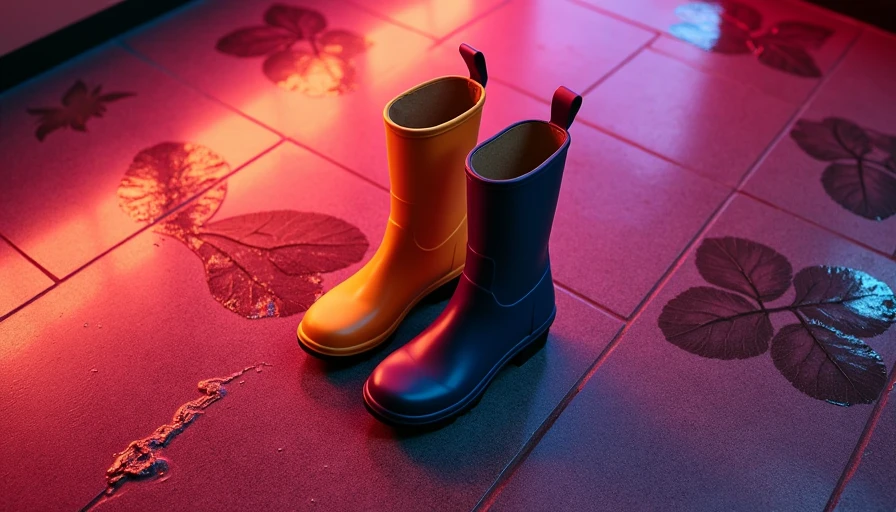
What Makes a Rain Boot Worth Your Money
Before diving into specific picks, let’s talk about the features that matter. The number that matters: waterproof height. Most rain boots claim to be waterproof, but if the shaft is too short, a deep puddle will spill over the top. Look for boots at least 12 inches tall. Also check the sole—rubber with deep treads prevents slips on wet pavement. Another factor: lining. Unlined boots are lighter but less warm; neoprene or fleece lining adds comfort for colder climates. Finally, consider the closure—pull-on styles are easy but can gap at the calf, while adjustable straps or gussets offer a better fit.
Our Top Picks for Rain Boots Rain Enthusiasts
Hunter Original Tall Boot
The classic. Hunter’s iconic tall boot is made from natural rubber and has a grippy tread pattern. It’s fully waterproof and shaft height hits about 15 inches. I wore these through a New England spring and they kept my feet bone dry. The downsides: they’re heavy, and the unlined version can get clammy in mild weather. At $150, they’re an investment, but after 50 wears the price-per-wear is about $3. Not to be confused with cheaper replicas—the real deal lasts.
Bogs Classic High
For cold and wet conditions, Bogs are unbeatable. They feature 7mm Neo-Tech lining that insulates down to -40°F. The rubber is thick and durable, and the handle at the top makes pulling them on easy. I took these on a muddy hike and the tread gripped well. The shaft is 14 inches. They cost around $130, but the warmth and ruggedness justify the price. If you live where rain turns to snow, these are the **rain boots rain** and slush warriors.
Tretorn Skerry Boot
Tretorn offers a more lightweight, lifestyle-friendly boot. The Skerry has a sleek silhouette, natural rubber construction, and a 12-inch shaft. It’s lined with cotton for breathability. I found them comfortable for all-day wear in the city. The tread is less aggressive so they’re not ideal for off-road, but for sidewalks and errands they’re perfect. At $120, they’re a solid mid-range option.
Budget Pick: Western Chief Rain Boot
For under $40, Western Chief offers surprisingly good quality. These have a 13-inch shaft, printed cotton lining, and a durable rubber outsole. I tested a pair and they held up for a full rainy season without leaks. The only catch: pull them on carefully to avoid tearing the lining at the heel. At this price, you can buy two pairs for the cost of one Hunter. If you’re on a tight budget, these **rain boots rain** are a no-brainer.

How to Make Your Rain Boots Last Longer
Even the best rain boots will degrade if you store them poorly. Here’s my routine after six months of testing:
- Rinse mud off with cool water after each wear. Don’t use harsh chemicals—just a soft brush.
- Dry them upside down in a well-ventilated area away from direct heat. Sunlight can crack rubber.
- Apply a rubber conditioner (like 303 Rubber Protectant) every 3 months to prevent drying and cracking.
- Store them upright with a boot shaper (or rolled-up newspaper) to maintain shape.
These simple steps can double the lifespan of your boots. I’ve seen Hunters that looked new after five years with proper care.
Budget-Friendly vs. Investment: Which Rain Boots Are Right for You?
The biggest debate in the forum is whether to spend $150+ or go with a $30 pair. After testing both ends, here’s my honest take: If you wear rain boots once a month or less, a budget pair like Western Chief will serve you well. But if you commute in wet weather daily or live in a rainy climate (like the Pacific Northwest), the higher-quality rubber and construction of Hunter or Bogs will save you money in the long run. The number that matters: price per wear. A $140 boot worn 100 times costs $1.40 per wear; a $40 boot that lasts 20 wears costs $2 per wear. The investment boot wins if you use it often.
Final Verdict
After a season of splashing through puddles and trudging through mud, my personal favorite for most people is the Bogs Classic High—it balances warmth, durability, and comfort for under $150. For pure style and longevity, the Hunter Original remains a classic. And for the budget-conscious, Western Chief proves that you don’t need to spend a fortune to stay dry. Whichever you choose, remember: the best **rain boots rain** can offer are the ones that actually keep you dry and comfortable. Wear them until they’re done—not a day sooner.




No comments yet — be the first to share a thought.