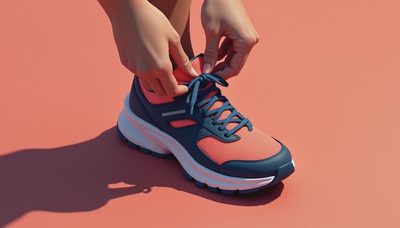
Shopping for **hiking boots for women** gets weirdly expensive, weirdly fast. One pair is $65, another is $220, and both claim waterproof comfort, all-day support, and rugged traction. I bought both so you don't have to, or at least I’ve compared enough pairs in stores, on trails, and after months of wear to tell you where the money actually goes. The good news: you do not need the most technical boot on the wall for a weekend hike. The better news: some mid-priced options hold up surprisingly well if you know what to look for.
The number that matters: cost per wear. A $160 boot worn twice a month for two years can be a better buy than a $70 pair that loses traction, leaks, or rubs your heel raw after six outings. Not to be confused with fashion hiking-inspired boots, real trail boots need grip, upper support, and a sole that does not flatten out right when your ankles need it most.
What actually matters in hiking boots
When comparing hiking boots for women, start with the basics: fit, traction, weight, and weather protection. Fit is first because a famous brand cannot fix a bad shape match. If the toe box pinches, your heel slips, or the arch hits the wrong spot, move on. A good hiking boot should feel secure at the midfoot, roomy at the toes, and stable on uneven ground.
Traction comes from the outsole pattern and rubber quality. Deeper lugs usually grip dirt and loose gravel better, while flatter, softer soles can feel fine in the store and disappoint on a wet trail. Weight matters too. Heavy leather boots still make sense for long treks with a loaded pack, but many casual hikers are happier in lighter synthetic boots that feel closer to trail shoes.
Waterproofing is useful, but it is not free. Waterproof membranes help in mud, shallow puddles, and wet grass, yet they can run warmer and dry more slowly once soaked. If most hikes are dry and short, breathable non-waterproof footwear may be the smarter buy.
Cheap vs. mid-range vs. premium: where the value usually is
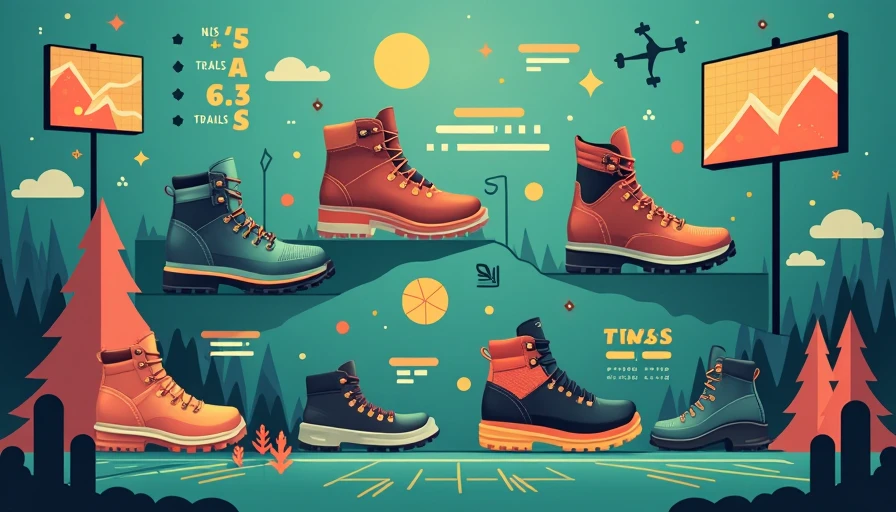
This is where most people overspend. Budget hiking boots for women in the $60 to $90 range can work for occasional use, especially from big-box outdoor lines or store brands. The tradeoff is usually in cushioning life, waterproof reliability, and outsole durability. They may look solid on day one, then feel flat after a season.
Mid-range boots, around $100 to $160, are often the sweet spot. This is where you start seeing dependable models from Merrell, Columbia, KEEN, and Salomon. These brands tend to offer better fit engineering, more consistent grip, and uppers that do not crease into painful pressure points as quickly. After 6 months of real wear, that difference shows up fast.
Premium pairs above $180 can be worth it, but only for specific needs: tougher terrain, frequent hiking, backpacking loads, or a foot shape that finally found its match in a higher-end model. Scarpa, Lowa, and some Danner or HOKA options can justify the price, but not every shopper needs that level of boot. Skip the obvious thing, which is assuming expensive automatically means better for you.
Materials, waterproof claims, and durability reality
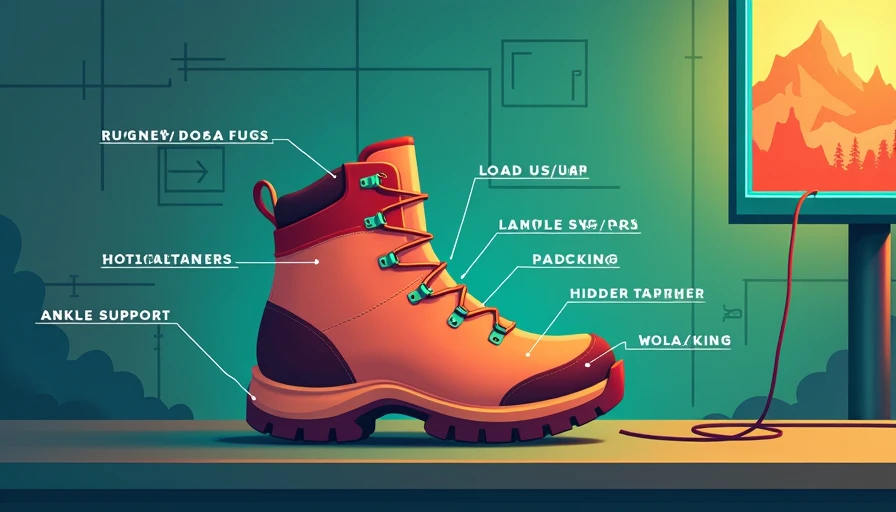
The upper material tells you a lot about how the boot will age. Full-grain leather usually lasts longest and molds well over time, but it costs more and feels heavier. Synthetic mesh and textile uppers are lighter and often cheaper, making them great for day hikes, but they may abrade faster around flex points.
For waterproofing, look for clear membrane language such as Gore-Tex or a brand’s in-house waterproof liner. That said, waterproof claims are only as good as the boot’s construction. A low-quality seam or poorly bonded toe rand can fail before the membrane does. If a pair feels flimsy in hand, a waterproof label will not save it.
The number that matters: outsole wear. If you see shallow tread after a few months, the boot may still look decent on top while losing the performance that keeps you stable. Insoles also matter more than people think. Some affordable hiking boots for women improve a lot with a $25 to $40 insole upgrade, which can be a better move than jumping straight to a luxury pair.
Best use cases: buy for your trail, not your fantasy self
A lot of people shop for the most dramatic version of their life. If your real routine is local park trails, state park loops, and occasional travel hikes, you probably do not need a stiff backpacking boot. Lightweight mid-height boots are enough for many shoppers because they balance support, comfort, and everyday wearability.
For rocky terrain or hikes with roots, loose descents, and stream crossings, step up to a sturdier sole and better ankle structure. If you hike in winter or shoulder seasons, waterproofing and warmer socks matter more. If you travel often, consider packability too. Bulky boots take up real suitcase space.
This is also where style enters the chat, and yes, it matters. If a pair of hiking boots for women looks so technical that you never want to wear it, the cost per wear drops immediately. Plenty of current models come in cleaner colorways that work with leggings, utility pants, or casual outdoor layers without looking like borrowed gear.
Smart buying tips before you check out
Try boots on later in the day when feet are slightly swollen, and wear the socks you would actually hike in. Walk downhill if the store has a ramp. Your toes should not slam the front. Your heel should stay put without lace strangling. If you are between sizes, compare both with hiking socks, not thin no-show pairs.
Read reviews for patterns, not drama. Ten people saying the same model runs narrow is useful. One angry review about a lace hook breaking is less meaningful on its own. Watch for comments about break-in time, heel hot spots, and whether waterproof pairs run warm.
If your budget is tight, last season’s color is often the best deal in hiking boots for women. Function barely changes, but the markdown can be $30 to $70. That is real money. Buy the best fit you can afford, rotate them dry between hikes, and clean off mud so materials last longer. Wear it until it's done. Not a day sooner.