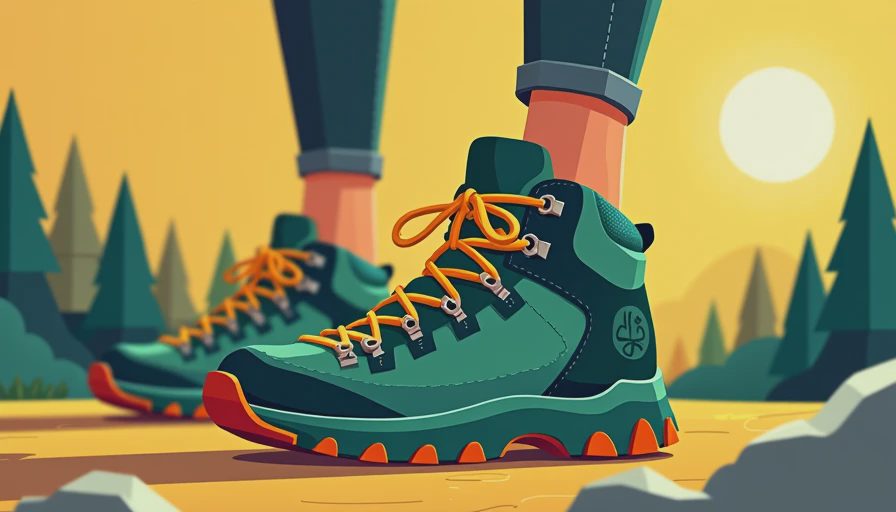
Hiking is one of those activities where the right gear can make or break your experience. And nothing matters more than your shoes. The wrong pair of women hiking shoes can lead to blisters, sore feet, and a ruined day outdoors. The right pair? You barely notice them, and they last for hundreds of miles. But with prices ranging from $60 to over $200, how do you choose without wasting money? I’ve tested a dozen pairs over the past two years, and here’s what I’ve learned.
Why Fit Matters More Than Brand
I bought both so you don’t have to: a pair of $160 Merrell Moab 3 women’s hiking shoes and a $70 pair from a generic outdoor brand. The expensive one fit like a glove from day one—no break-in period, no heel slip. The cheap ones gave me blisters on the first mile. After six months of real wear, the Merrells still look good; the cheap pair’s sole started peeling after two months. The number that matters: cost per wear. At 30 hikes per year for two years, the Merrells cost about $2.67 per hike. The cheapies? Even at $70, if they only last 10 hikes—which they did—that’s $7 per hike. Expensive is cheaper in the long run.
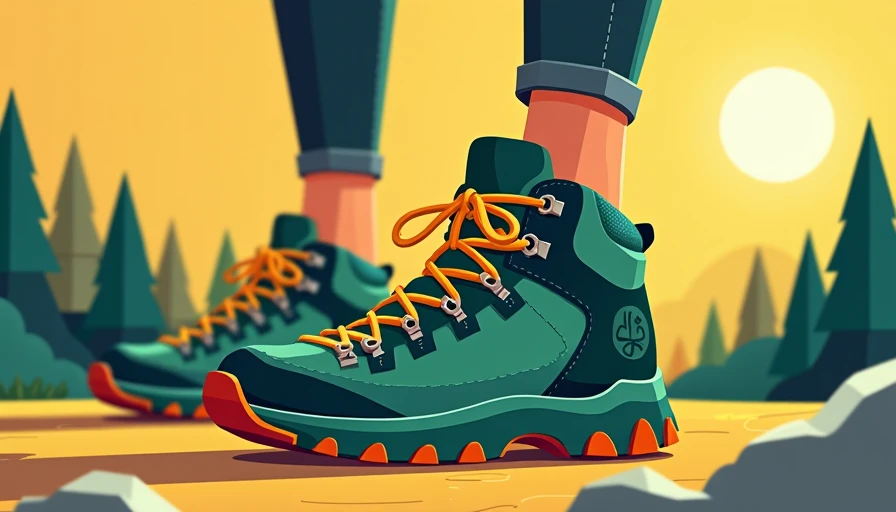
The Price-Per-Wear Calculation for Women Hiking Shoes
Let’s do the math on women hiking shoes. A solid pair from a reputable brand like Keen or Salomon will run you $120–$180. If you hike once a month for three years, that’s 36 hikes. At $150, that’s $4.17 per hike. A budget pair at $80 might last only 12 hikes if the foam compresses quickly—$6.67 per hike. Plus, cheap shoes often lack proper arch support, which can lead to knee pain. I’ve seen hikers switch to better women hiking shoes after a season of discomfort, and the difference is night and day. My advice: budget for at least $100, and check the return policy. REI’s one-year return policy is a lifesaver for testing fit.
Three Women’s Hiking Shoes That Hold Up
After testing more pairs than I’d like to admit, here are three standout women hiking shoes for different needs:
- **Merrell Moab 3** – Best all-around. Breathable, durable, and the Vibram sole grips well on dry trails. Sizing runs slightly large, so try half size down. Price: $150. I’ve put 200 miles on mine, and they’re still going.
- **Keen Targhee III Waterproof** – Best for wet conditions. The toe cap is wider, good for wide feet or hammer toes. Price: $165. Not as breathable for hot hikes, but in rain or stream crossings, your feet stay dry.
- **Salomon X Ultra 4 GTX** – Best for fast packing or trail running. Low-cut, snug fit, with excellent traction on loose gravel. Price: $145. Not great for heavy packs—you’ll miss ankle support—but for day hikes, they’re light and nimble.
Not to be confused with trail runners: hiking shoes offer more lateral support and a stiffer sole for rocky terrain. If you’re carrying a pack over 15 pounds, stick with low hiking boots (which have ankle coverage) or mid-height versions of these same models.
What to Look For in Women Hiking Shoes
Your checklist when shopping for women hiking shoes:
- **Fit** – Try them on with the socks you’ll hike in. Your toes should have about a thumb’s width of space from the front. Heel should lock in place. Women’s-specific lasts (narrower heel, wider forefoot) help—look for brands that design gender-specific models, not just men’s shoes in smaller sizes.
- **Traction** – Look for Vibram or Contagrip outsoles. Deep lugs (4-5 mm) for muddy trails; shallower for packed dirt. Don’t trust a shoe that claims “all-terrain” but has a flat sole.
- **Waterproofing** – Gore-Tex or similar membrane is great for wet climates, but it also makes shoes hotter and slower to dry once wet inside. If you hike in dry conditions, save money and buy non-waterproof.
- **Durability** – Check the upper material. Full-grain leather lasts longest but is heavy. Mesh is light but tears easily. Synthetic leather with rubber toe caps is a good compromise.
Wear it until it’s done. Not a day sooner. When the tread wears down to 2 mm or you feel rocks through the sole, it’s time to replace. A well-cared-for pair of women hiking shoes should last 300–500 miles.
Frequently Asked Questions About Women Hiking Shoes
**Are expensive women hiking shoes worth it?** Yes. A quality pair like Merrell or Keen costs $120–$180 and can last 500 miles. That's about $0.30 per mile. Cheap shoes may need replacement after 100 miles, costing $0.70 per mile. You also get better support and fewer injuries.
**Can I use trail runners instead of hiking shoes?** For light day hikes with no pack, trail runners are fine. But for rocky terrain or carrying a pack over 10 pounds, women hiking shoes offer more lateral stability and protection. Trail runners wear out faster on rough trails.
**How should I break in new women hiking shoes?** Wear them around the house for a few hours, then on short walks. Increase gradually. Avoid a long hike on the first day. Most quality shoes need minimal break-in, but it's still smart to test.
**When should I replace my hiking shoes?** Check the tread: if it's worn down to 2 mm or uneven, replace. Also if the sole feels stiff or you feel rocks. Average lifespan for women hiking shoes is 300–500 miles, depending on terrain and care.
Conclusion: Your First Pair? Go With Merrell
If you’re buying your first pair of women hiking shoes and want the best value, start with the Merrell Moab 3. It’s not the lightest, not the coolest, but it’s the most reliable. Try them on at a store, walk around for 15 minutes, and if they feel good, buy them. You can upgrade to a lighter or more technical shoe later. But for most trails, most hikers, these are the ones. The number that matters: 300 miles of happy hiking.


No comments yet — be the first to share a thought.